
AI has huge potential, but potential doesn’t always translate cleanly to boardroom metrics. One of the toughest gaps I’ve seen is showing real business impact from AI in a way that resonates with decision-makers.
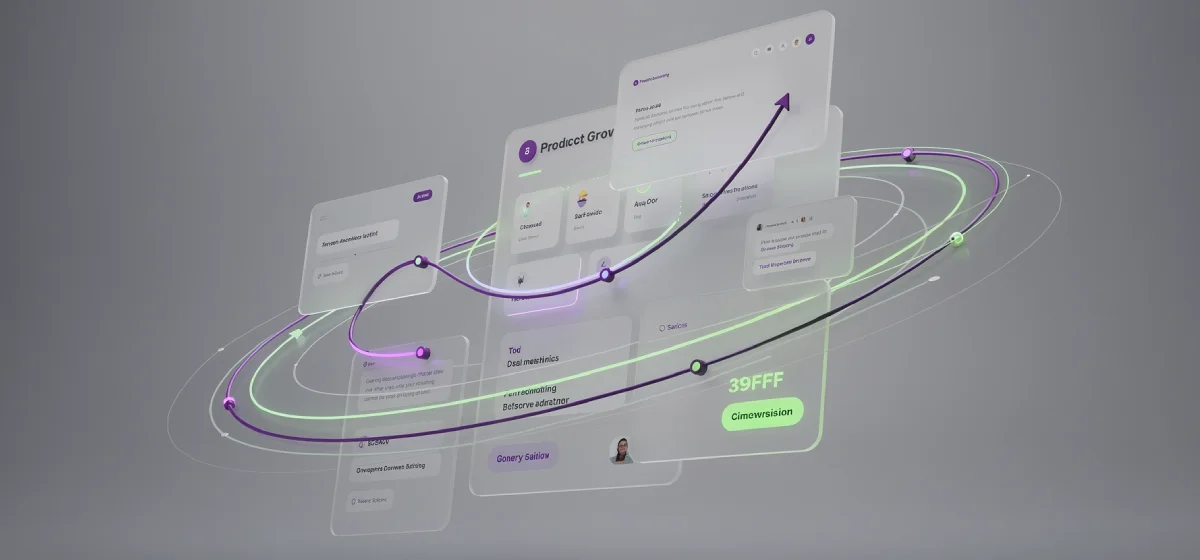
Traditional ROI models often fall short here. AI value tends to be nonlinear, strategic, and shared across teams. That makes it harder to isolate, and even harder to quantify early on.
What’s helped me (and others I’ve worked with) is thinking in three dimensions:
- Tangible Value – Things like cost savings, productivity gains, and incremental revenue
- Strategic Value – Differentiation, better data, improved customer experience
- Operational Transformation – Faster decisions, smoother processes, more resilient systems
The numbers speak louder than the narrative:
- A manufacturer cut downtime 78% and hit 140% ROI in year one
- A retailer increased conversion by 22%, with a 3-year ROI over 600%
- A regional bank reduced fraud, sped up credit decisions, and freed up team capacity
These results weren’t overnight. They followed a clear timeline, pilot insights early, efficiency gains in months, and strategic impact over time.
What made the difference?
• Measuring more than just labor
• Separating experimentation from scaling
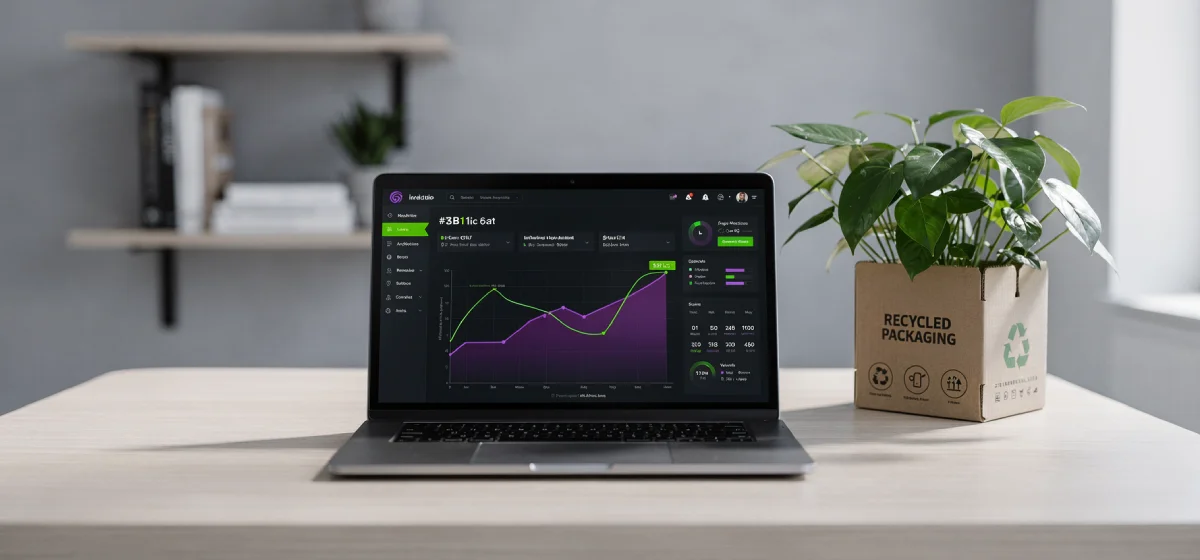
• Tracking both technical and business metrics, side by side
If there’s one thing I’ve taken from this:
Don’t treat AI like a one-off project. Treat it like a system that grows in value.
It’s not always fast, but if you measure it right, the long-term impact can be significant, and compounding.
Would be curious to hear how others are navigating this, especially those working through early-stage ROI conversations.