A few years ago, PLG mostly meant freemium signups and hoping users stuck around. In 2025, it’s more structured, thoughtful onboarding, usage-driven value, and organic loops that support lean, sustainable growth.
At OrbiQ, we work with early-stage founders building PLG-first products.
I’m sharing a few lessons we’ve learned, not as rules, but as patterns we’ve seen play out in real teams:
- Time-to-value beats first impressions. People rarely read docs. But they remember if your product helped them in the first five minutes. We’ve seen that when activation passes 30%, growth becomes a lot more predictable.
- Sharing should feel useful, not promotional. The best viral features aren’t bolted on, they’re part of the core value. Collaboration, content sharing, even milestone celebration, all work best when they serve the user first.
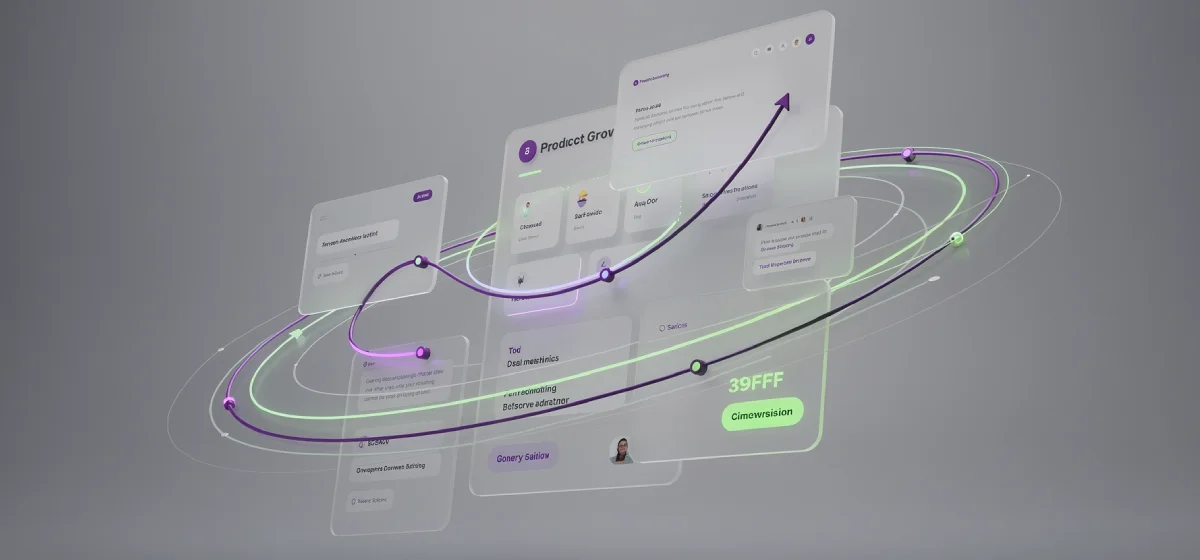
- Funnels that loop tend to scale. When onboarding leads to early value, and value leads to expansion, PLG becomes less about growth hacks and more about flow. The result: lower CAC, better retention, and growth that doesn’t depend on a heavy sales team.
- Sales isn’t the enemy of PLG. In fact, they pair well, especially when you let product usage guide when to engage. If someone’s bumping into feature limits or using you across a team, that’s often a good time for a thoughtful conversation.
PLG isn’t something you install, it’s something you grow into. It starts with making sure your product can speak for itself, even in the smallest use case.